
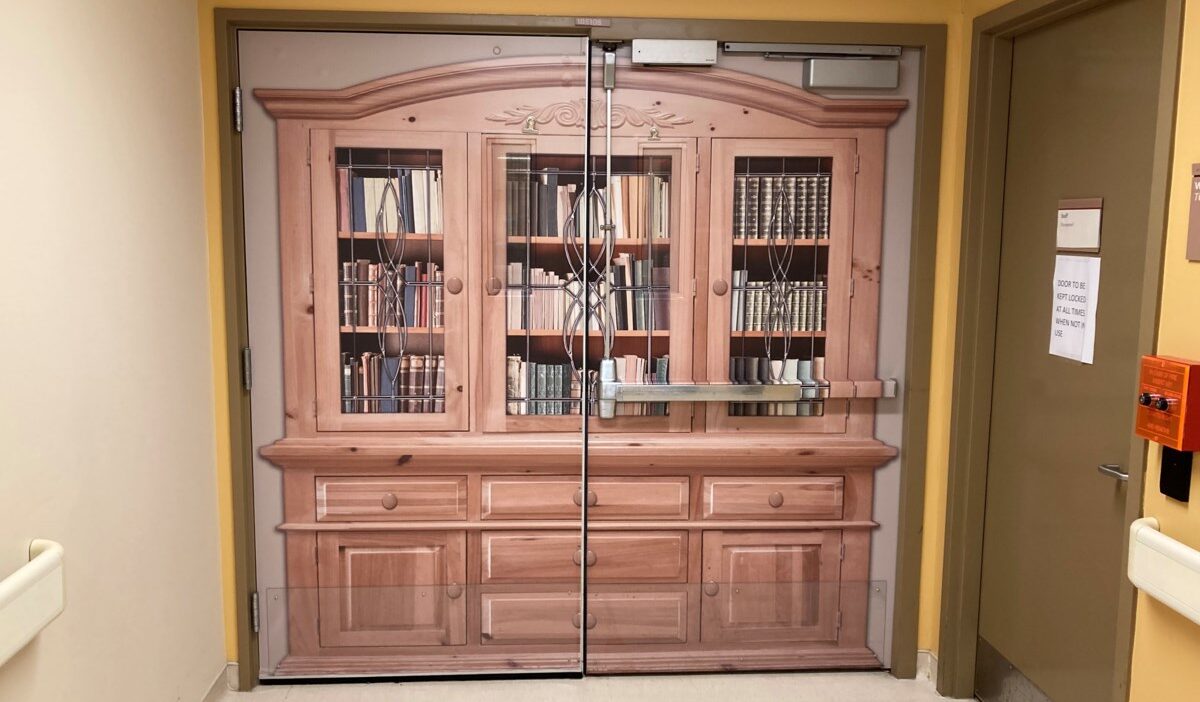
As the world marks World Alzheimer’s Day this Monday, the North Bay Regional Health Centre is shining a light on its ongoing commitment to improving the lives of those living with dementia. This year’s global theme focuses on the importance of early diagnosis to combat stigma and expand treatment options, but locally, the focus is on creating a sanctuary for patients. Recognizing that traditional clinical settings can often feel cold or disorienting for people with neurocognitive disorders, the hospital has been working to shift its environment from a sterile institutional feel toward something much more reminiscent of home.
A major milestone in this effort was the completion of the Dementia Friendly Neighbourhoods project within units A1 and B1. According to Tammy Morison, president of the North Bay Regional Health Centre Foundation, the integration of high density adhesive graphics and diverse activities has fundamentally changed how these spaces feel. By softening the hospital atmosphere, the facility aims to reduce anxiety and promote comfort for a vulnerable population that includes not only seniors but occasionally adults as young as their thirties.
The transformation is moving beyond indoor walls and into the fresh air with plans to revitalize the Evergreen and Willow courtyards. Trevor Levesque, Director of Facility Services, noted that while previous designs didn’t fully account for residents with significant mobility issues or memory loss, new updates are changing that. Early improvements include wider doors and automatic openers to allow freer movement, while upcoming phases will involve leveling ground surfaces to remove trip hazards and planting new trees for shade. The goal is to create a secure outdoor loop where patients can explore independently or garden in raised planters alongside their visiting families.
These initiatives are deeply collaborative, involving input from caregivers, staff, and patients themselves to ensure the spaces truly meet their needs. Erin Kennedy, Director of Mental Health at NBRHC, emphasized that therapeutic environments are essential for maintaining quality of life during such a vulnerable stage of health. With projections suggesting one million Canadians will live with dementia by 2030, she stressed that staying current with evolving best practices is critical to meeting this growing demand. Because these projects were entirely community funded, there is hope that local support will continue as final details are polished ahead of next summer’s renovations.