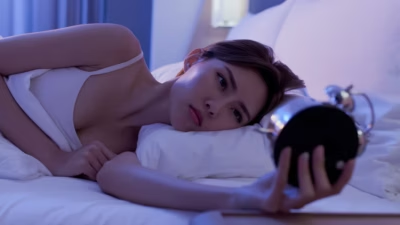
For many adults, the effortless slumber of childhood becomes a distant memory. As age replaces easy naps with restlessness, a growing trend known as sleepmaxxing has emerged, promising that the right combination of gadgets can engineer the perfect night of rest. From smart rings and cooling mattresses to high end humidifiers, the market is flooded with tools designed to optimize every second of shut eye. However, health experts suggest that while these devices can offer valuable clues, they are not a magic cure for systemic sleep struggles.
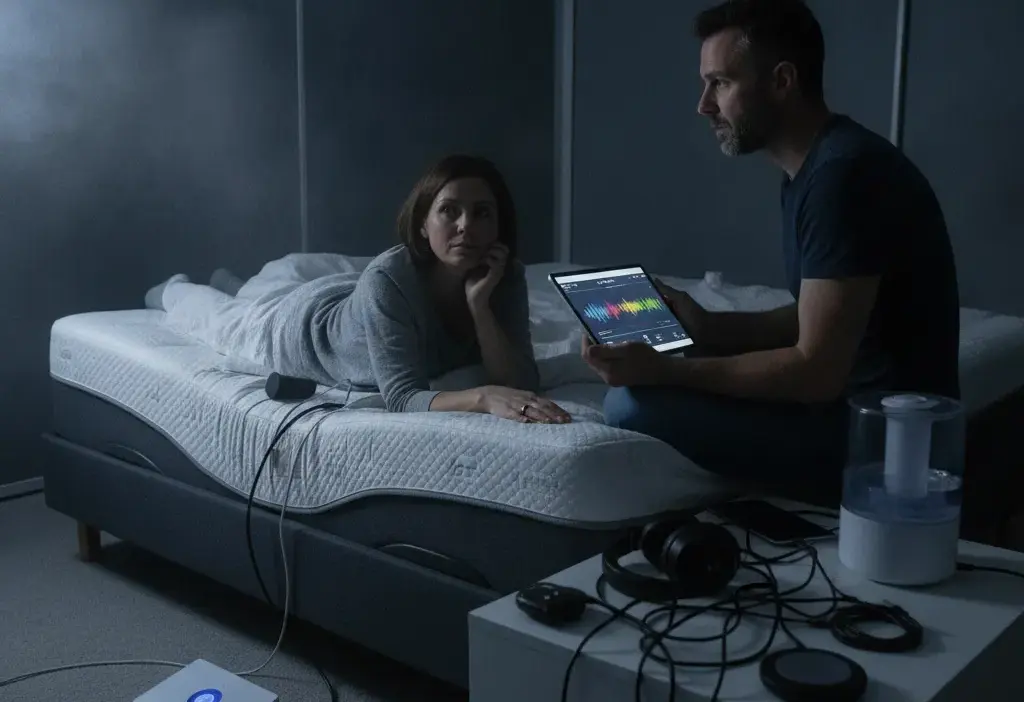
Wearable technology like smartwatches and rings allows users to identify their natural chronotypes, helping them realize whether they are truly early birds or night owls. These devices can also reveal hidden disruptors, such as how a single glass of wine might sabotage deep sleep cycles. For medical professionals, this data provides an objective baseline that can inform targeted treatments. Yet there is a psychological trap known as orthosomnia, where users become so obsessed with achieving a perfect sleep score that the resulting anxiety actually prevents them from resting. Experts warn that letting a digital number dictate your mood for the day often creates a self fulfilling prophecy of exhaustion.
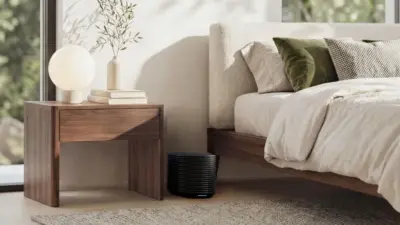
When it comes to the physical environment, specialists agree that removing barriers is key. Maintaining a cool room below seventy degrees and managing humidity to prevent nasal irritation can significantly shorten the time it takes to fall asleep. Specialized gear like programmable cooling mattresses can be genuine lifesavers for those dealing with menopausal hot flashes or nighttime temperature spikes. By regulating the external climate, these tools help the body perform its natural function of dropping its core temperature during sleep.
Ultimately, however, practitioners emphasize that hardware cannot override biology or behavior. While a luxury mattress or a white noise machine can make a bedroom more comfortable, they cannot resolve clinical insomnia or poor lifestyle choices. The consensus among psychologists and physiologists is clear: technology serves best as a supportive tool rather than a replacement for fundamental hygiene habits and consistent routines. True rest remains less about the gadgets we buy and more about how we live throughout the day.