
Many of us have spent years debating whether a late afternoon espresso actually ruins our night. For some, caffeine seems to slide right off them, allowing them to drift into slumber minutes after their last sip. Others find themselves staring at the ceiling until dawn. However, new research suggests that focusing solely on whether you can fall asleep misses a far more insidious problem. Even if you manage to clock eight hours of shut eye, caffeine may be sabotaging the actual quality of your rest behind the scenes.
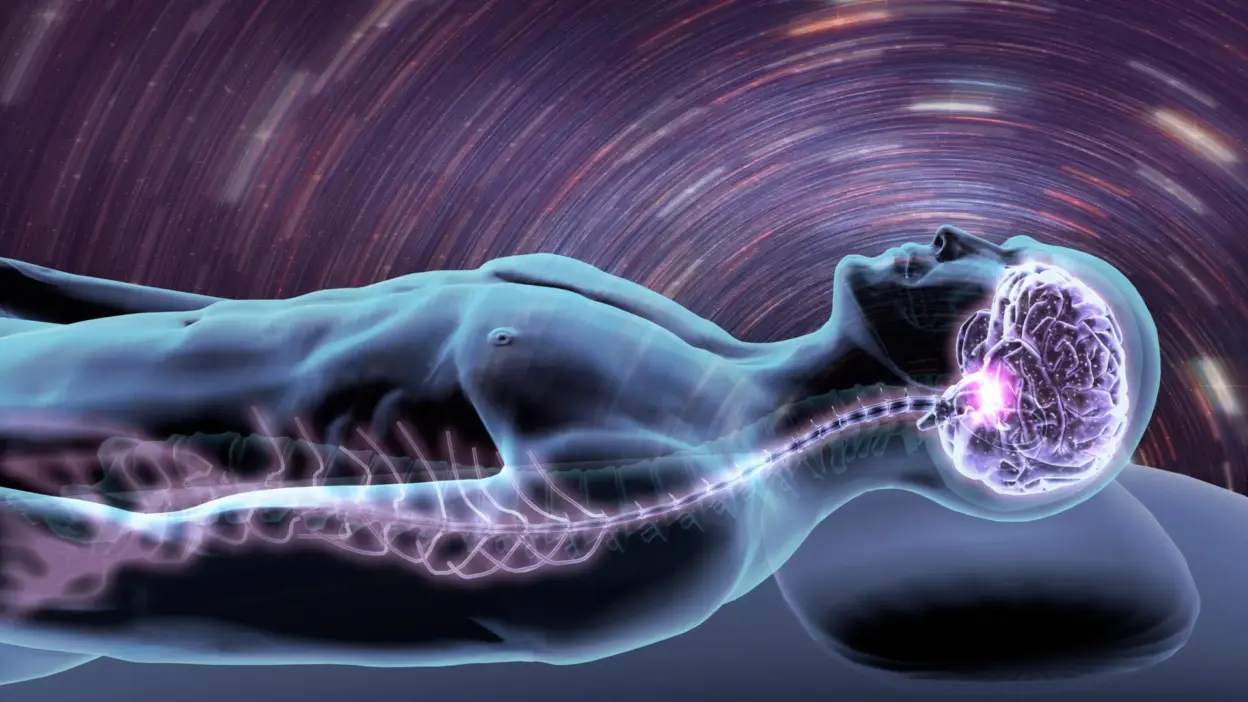
By using electroencephalography to monitor brain activity, scientists are discovering that caffeine alters the way the brain sleeps, regardless of how long a person stays unconscious. Professor Donata Kurpas from Wroclaw Medical University explains that while traditional sleep assessments look at duration and stages, EEG data reveals shifts in slow wave activity. These slow waves are essential markers of deep sleep, which is the critical phase where the body recovers physically and the brain restores itself. When caffeine enters the mix, it can push the brain toward a more wakeful state even while you appear to be fast asleep.
This creates a deceptive scenario where a person feels they have slept well because they didn’t experience frequent awakenings, yet their brain never reached the necessary depths of restoration. This invisible disruption varies wildly from person to person based on genetics, age, and metabolism. For certain individuals, coffee consumed early in the morning may still linger in their system by midnight, meaning any amount of daily caffeine could potentially degrade their neurological recovery.
The danger here is the creation of a self sustaining cycle of exhaustion. Because caffeine masks fatigue during the day while quietly eroding sleep quality at night, many people end up borrowing energy from tomorrow to survive today. As nighttime recovery worsens, the next day brings deeper fatigue, leading to an increased reliance on stimulants to stay alert. According to Professor Kurpas, this transforms coffee from a simple pick me up into a catalyst for a vicious circle of poor health and perpetual tiredness.