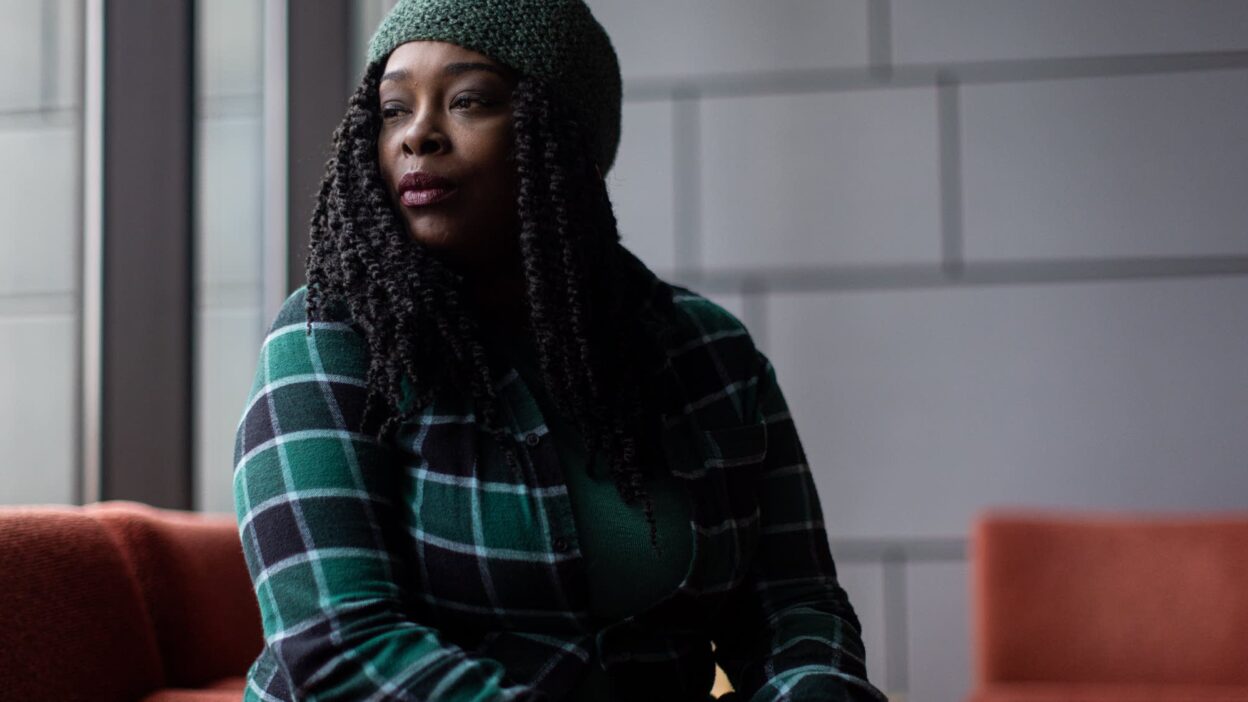
The recent national attention surrounding the Lindsay Clancy case, where a Massachusetts mother killed her three children during a bout of postpartum psychosis, has reignited a critical conversation about maternal mental health. For Naomi Gaines-Young, the headlines feel hauntingly familiar. Two decades ago, Gaines-Young experienced her own descent into postnatal chaos, eventually jumping off a bridge in St. Paul with her twin sons. While she and one son survived, the other did not. Now reflecting on her journey through diagnosis and incarceration, Gaines-Young views these tragedies as preventable failures of a healthcare system that often misses the warning signs until it is too late.
At the time of her crisis, Gaines-Young had been dismissed with diagnoses of baby blues or postpartum depression, failing to capture the distorted reality brought on by postpartum psychosis and schizophrenia. This gap in care is what experts call a systemic failure. Dr. Helen Kim, a reproductive psychiatrist in Minneapolis, explains that while postpartum psychosis is rare, affecting roughly two out of every thousand births, its danger lies in how it strips away a parent’s ability to seek help. The very symptoms of the illness—a lack of insight and initiative—prevent mothers from recognizing they are in crisis or feeling safe enough to speak up without fearing they will lose their children.
In Minnesota, similar tragedies involving Gaines-Young and Professor Mine Ener led to landmark legislation requiring prenatal providers to educate patients on postpartum mental health warnings. Dr. Kim categorizes these as pink flags, such as insomnia and obsessive worry, and red flags, including intrusive thoughts of harm toward a child. She emphasizes that early intervention is key and that maintaining the bond between mother and baby can actually serve as a grounding anchor during recovery, provided there is adequate professional support to ensure safety.
After spending fifteen years moving between psychiatric hospitals and prison, Gaines-Young was released in 2018 and has since focused on reconciliation and advocacy. She describes a deep emotional reunion with her surviving son and spends much of her time working with organizations like the National Alliance on Mental Illness to raise awareness. By sharing her story of survival and loss, she hopes to transform personal pain into a public safeguard, ensuring that future mothers receive the proactive care necessary to prevent another tragedy from occurring under the guise of typical new motherhood struggles.