
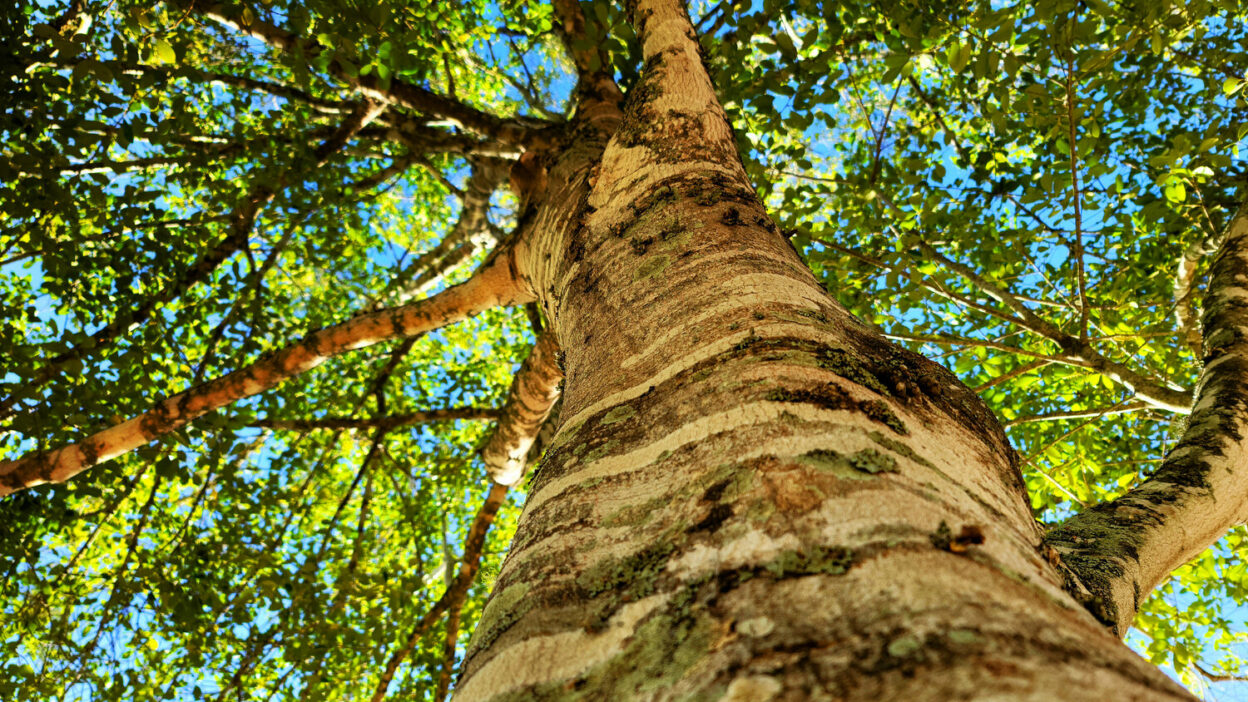
For many of us, a row of leafy oaks or a shaded city park is simply a nice addition to the scenery, but new research suggests that these green spaces are actually vital tools for public health. According to the Arbor Day Foundation’s 2025 Canopy Report, nearly nine out of ten Americans now view trees as essential instruments for maintaining their well-being. For most people, stepping under a canopy of leaves acts as a psychological reset button, offering a necessary escape from the noise and stress of modern urban living. This feeling isn’t just anecdotal; the report indicates that 87 percent of adults notice a tangible improvement in their overall wellness when they spend time in nature.
Beyond the mental relief of hearing birdsong or feeling a breeze, trees provide physical advantages that can literally save lives. By acting as natural air filters and cooling entire neighborhoods by up to 10 degrees Fahrenheit, mature trees mitigate some of the most dangerous effects of extreme heat and pollution. The data shows a compelling link between greenery and longevity, such as a U.S. Forest Service study in Portland, Oregon, which found that consistent tree planting over fifteen years was associated with significantly lower rates of cardiovascular disease and premature death. When streets are shaded and inviting, people are naturally more inclined to walk, bike, and stay active, creating a positive ripple effect throughout the community.
However, experts warn that these benefits aren’t distributed equally across all zip codes. While many people cherish their local parks, roughly half of Americans still have to drive just to reach the nearest natural area. Researchers like Peter James from the Harvard T.H. Chan School of Public Health argue that occasional trips to grand national parks aren’t enough to sustain long-term health; instead, it is the presence of trees in our everyday environments—where we live and work—that truly lowers rates of depression and anxiety. Because access remains uneven, there is a growing call for policymakers to prioritize urban forestry not just for aesthetics, but as a critical investment in preventative healthcare.